Reading a reef: what coral health looks like
What healthy, bleached and dead coral look like underwater, how the 1 to 5 scale maps onto them, and why it matters.
Reef and science3 min read
You do not need a marine biology degree to tell a healthy reef from a struggling one. You need to know what to look at. This is the short version, written for divers who want their coral ratings to mean something.
What healthy coral looks like
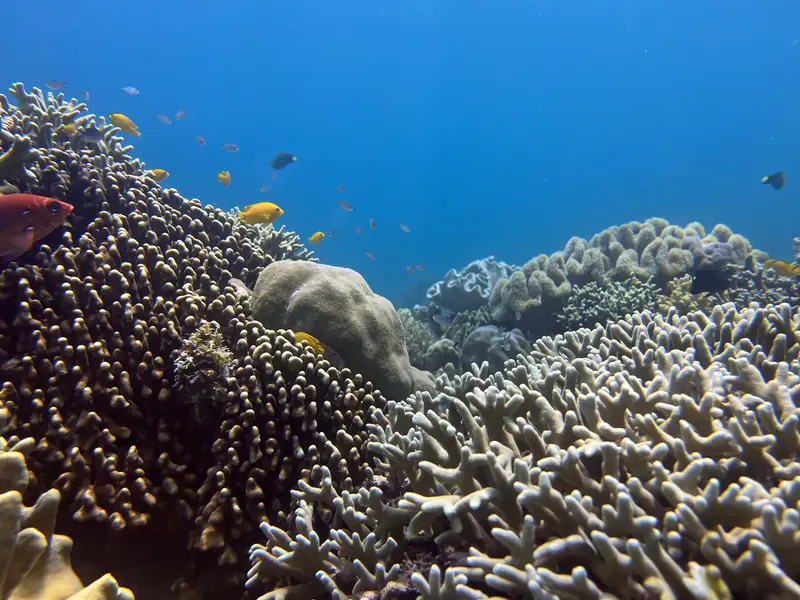
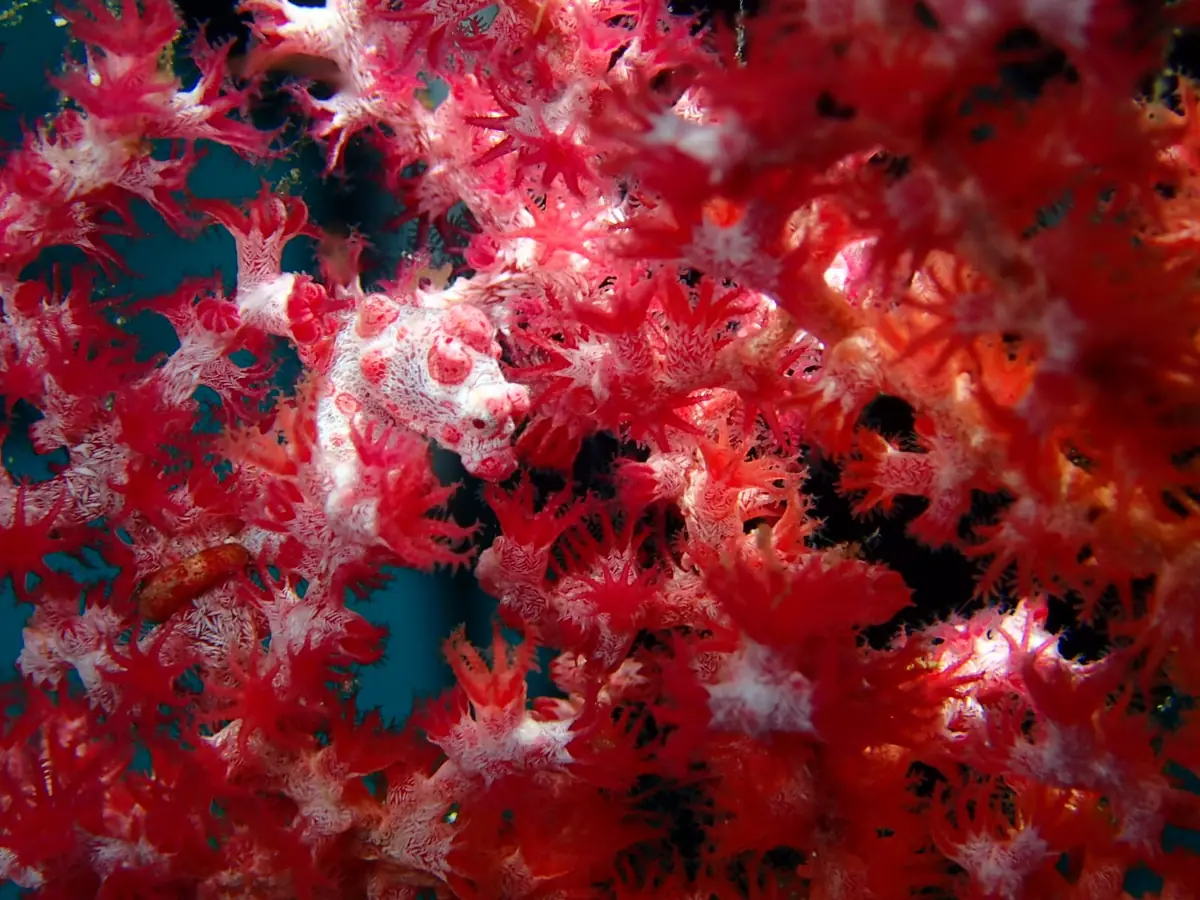
A coral is an animal: colonies of small polyps, most of them living with microscopic algae in their tissue. Those algae give coral much of its colour and much of its food. Healthy coral has even colour for its kind, clean surfaces, and edges that look alive rather than crumbling. Up close you may see the polyps themselves, especially at night.
What bleaching is
When the water stays too warm for too long, corals expel the algae living in their tissue. Without them the tissue turns clear, and the white skeleton shows through. That is bleaching. It is a stress response, and a bleached coral is not yet dead. If the water cools in time, many corals take their algae back and recover.
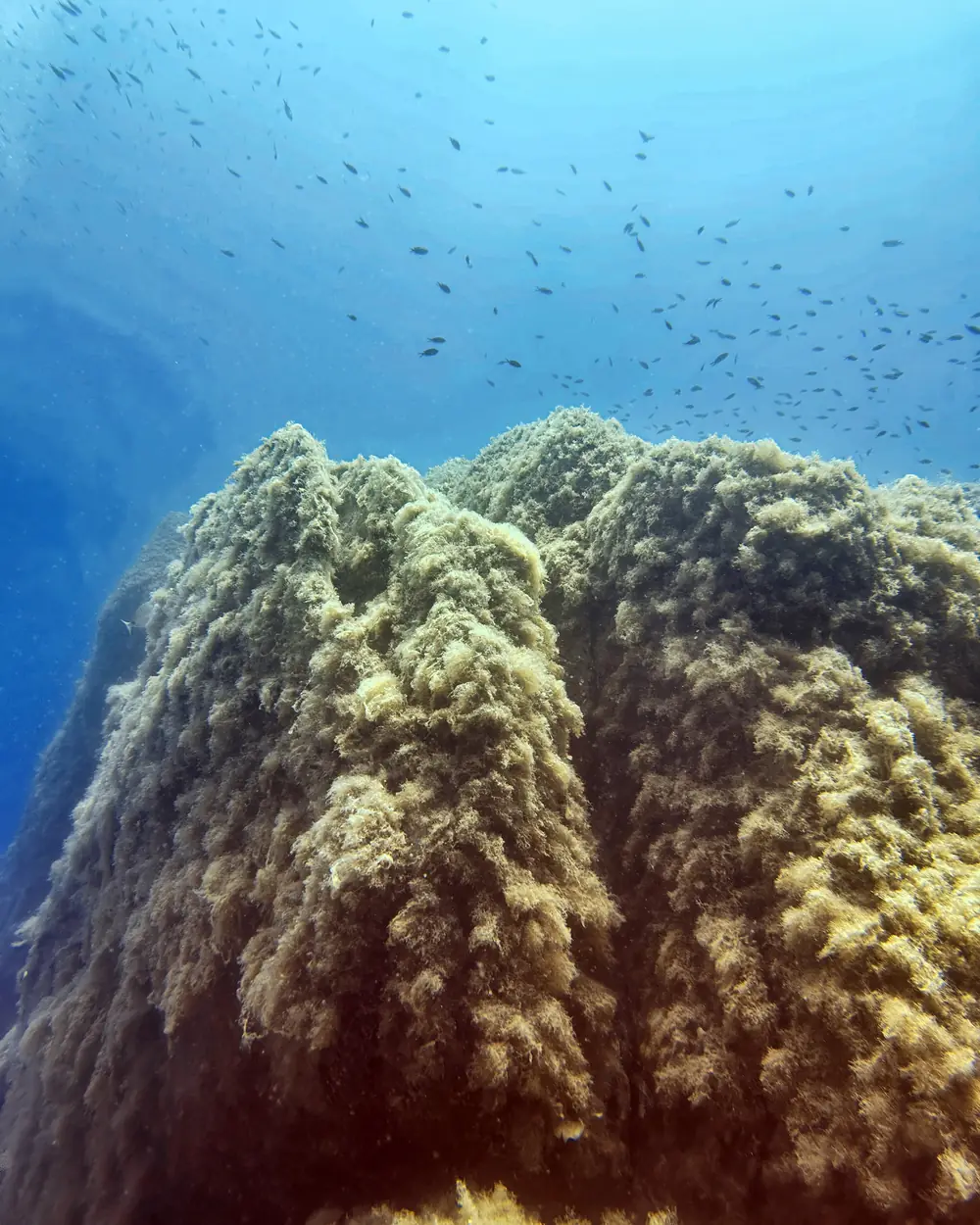
If the heat lasts, the coral starves and dies. Dead coral does not stay white for long: within weeks it is covered in a fuzzy film of algae, usually brown or green. So a reef can look worse a month after the heat than during it, and white coral and dead coral are different stages of the same story.
Putting it on the 1 to 5 scale
DIVR's coral health scale runs from bleached or dead to thriving. These are the same five words you pick from in the app.
- 1
Bleached or dead
White or dead coral is most of what you saw.
- 2
Mostly unhealthy
Some healthy colonies, but more bleached, damaged or overgrown ones.
- 3
Mixed
Roughly as much healthy as unhealthy coral.
- 4
Mostly healthy
Mostly healthy, with the odd pale or damaged patch.
- 5
Thriving
Full colour almost everywhere you looked.
Coverage is a separate question
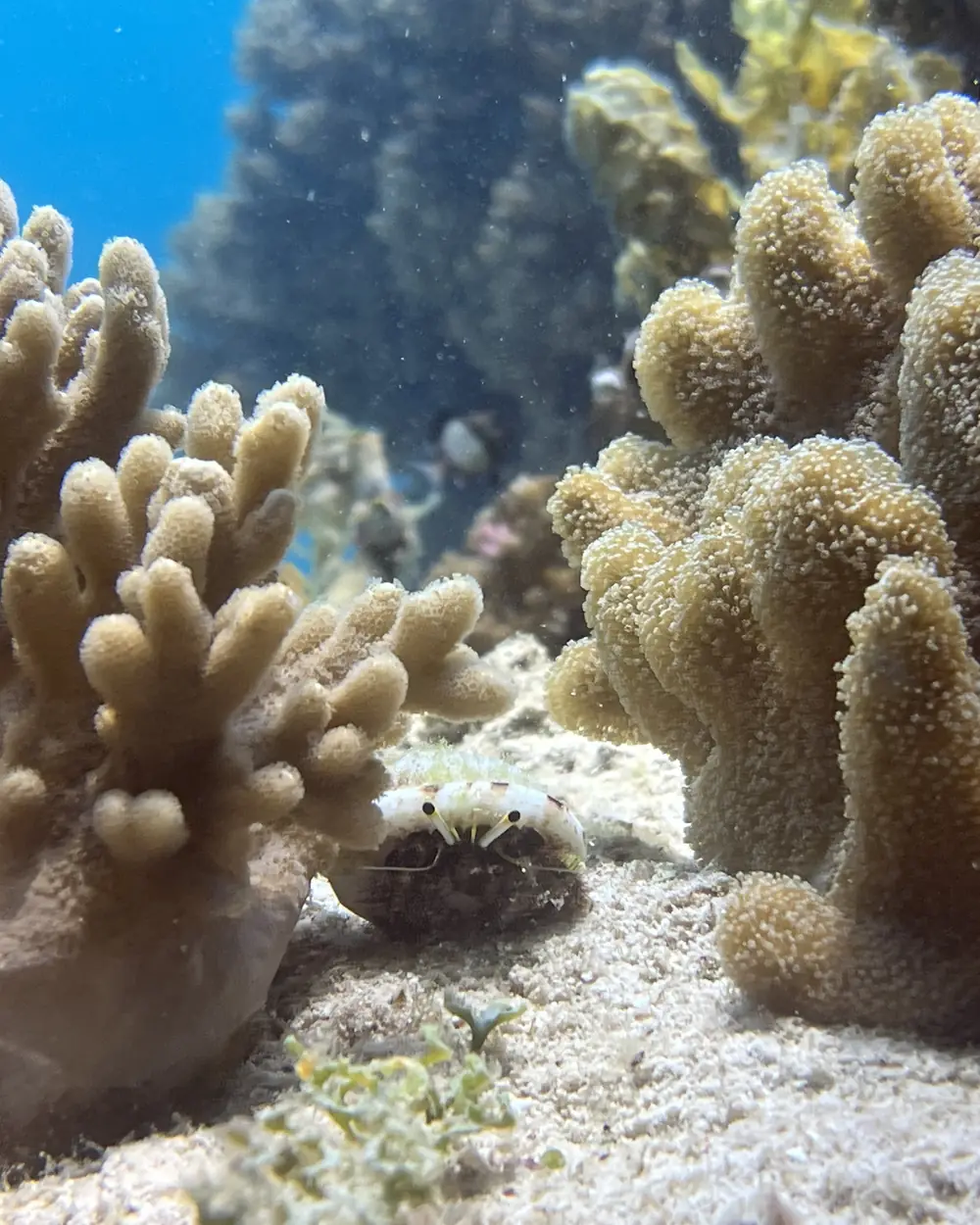
How much coral there is and how healthy it is are two different things, which is why DIVR asks them separately. Coral coverage runs from None / bare substrate to Full / dense, 75%+. Look at the bottom as a whole and ask how much of it is coral at all.
Why a diver's rating matters
Formal reef surveys are careful and slow, and they cannot visit most reefs often. Divers are at those reefs every week. One rating on its own is rough. Many ratings, at the same site, over months, show a trend: a reef that is paling in a warm summer, or one that recovered when the water cooled.
That only works if the ratings are honest and consistent. Rate what you saw, rate the whole dive, and leave it blank when you were not looking. Then rate the coral on your next dive.